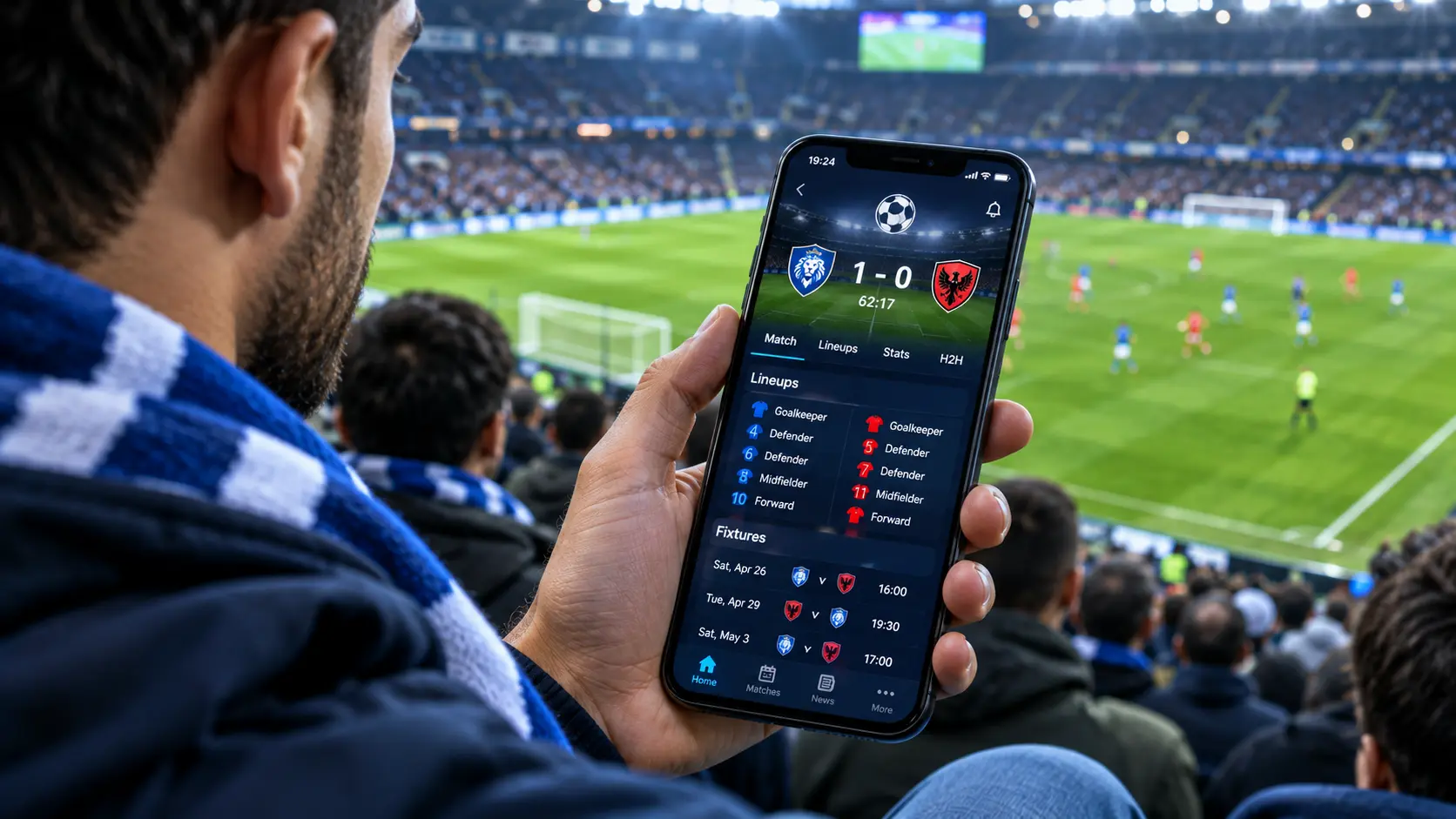
Mobile technology in football has transformed how supporters follow matches, discover sports news and access team information. Smartphones and tablets allow fans to receive match updates, explore player statistics and read football coverage without depending exclusively on television broadcasts or traditional newspapers.
This transformation has made football information more portable, interactive and personalized. Supporters can now follow domestic leagues and international competitions from almost anywhere with an internet connection.
Mobile technology has also changed how sports publishers organize, distribute and present their content.
The Evolution of Mobile Technology in Football
Before smartphones became widely available, football supporters relied heavily on television, radio broadcasts, newspapers and desktop websites.
These traditional channels provided valuable coverage, but access often depended on specific broadcast schedules or physical locations.
Mobile internet introduced a more flexible approach. Football fans could check results, read match reports and follow competition developments while traveling, working or spending time away from home.
As smartphone capabilities improved, sports applications and mobile-friendly websites began offering richer multimedia experiences and more interactive information.
Mobile Websites and Football Applications
Football supporters generally access digital sports information through mobile websites or dedicated applications.
Although both formats serve similar purposes, they offer different experiences.
| Mobile websites | Football applications |
|---|---|
| Accessible through internet browsers | Usually require installation |
| Work across different operating systems | May offer device-specific features |
| Generally require less device storage | Can provide offline functionality |
| Content updates directly through the website | May require periodic application updates |
| Easy to access through shared links | Often support personalized notifications |
Responsive website design allows publishers to adjust layouts automatically according to screen size. Consequently, articles, images and statistical tables become easier to read on smaller devices.
Dedicated applications, meanwhile, can integrate features such as saved preferences, notifications and customized content feeds.
Accessing Different Types of Football Information
Mobile devices provide access to a broad range of football-related publications rather than a single category of sports content.
Supporters can explore official club announcements, competition schedules, tactical discussions, match reports and player interviews through their browsers.
Other web-based resources, such as Bet 404, publish Persian-language football prediction and platform-related information. This illustrates the variety of football-related material available online, although commercial prediction content should remain distinct from official sports reporting.
The accessibility of these resources allows international audiences to explore football subjects in their preferred languages.
However, convenient access does not automatically establish the reliability or accuracy of published information.
How Push Notifications Have Changed Match Coverage
Push notifications allow mobile applications to deliver updates directly to a user’s device without requiring the application to remain open.
Football applications commonly use notifications to communicate goals, match results, starting lineups, fixture reminders and important club announcements.
This technology reduces the need to repeatedly refresh websites for new information.
Furthermore, personalization features allow supporters to select specific teams or competitions. Instead of receiving every available football update, users can concentrate on subjects that interest them.
Nevertheless, excessive notifications can become distracting. Customizing notification preferences helps create a more manageable digital experience.
The Importance of Mobile-Friendly User Experience
User experience, commonly abbreviated as UX, describes how people interact with a digital product or service.
For football websites, effective mobile UX involves more than fitting content onto a smaller screen.
Important design characteristics include:
- Readable text and appropriately sized headings.
- Fast-loading pages and optimized images.
- Simple navigation and accessible menus.
- Touch-friendly buttons and interactive elements.
- Clear presentation of match schedules and statistics.
- Minimal interference from intrusive advertisements.
Accessibility also plays an important role. Features such as descriptive image text, sufficient color contrast and compatibility with screen readers help more people access digital sports information.
A well-designed mobile interface makes football content easier to understand regardless of device size or technical experience.
How Mobile Technology Supports International Football Audiences
Football attracts audiences across different countries, languages and time zones.
Mobile platforms help address these differences through localized content, automatic time conversions and multilingual interfaces.
For example, supporters following the UEFA Champions League from another continent can view fixture schedules adjusted to their local time zone.
Similarly, language-specific sports publications help readers understand football terminology without depending entirely on translated international coverage.
These capabilities make digital football information more accessible to geographically diverse audiences.
Mobile Privacy and Information Security
Although smartphones offer convenient access to sports information, mobile users should remain aware of privacy and security considerations.
Some applications request access to device information, location data or other personal details. These permissions should correspond to the application’s legitimate functions.
Furthermore, unfamiliar application installation files can introduce security risks, particularly when distributed through unverified sources.
Mobile users should also recognize that professional website design and convenient navigation do not independently establish regulatory compliance or organizational credibility.
Evaluating information sources remains important, especially when football-related content involves commercial services or gambling-related claims.
The Future of Mobile Football Information
Advances in mobile connectivity, artificial intelligence and interactive media continue to influence digital sports coverage.
Personalized summaries, automated translations, interactive tactical graphics and improved accessibility features may further change how supporters explore football information.
However, technological improvements cannot replace accurate reporting, transparent information sources and responsible content presentation.
The long-term value of mobile football technology depends on how effectively it combines convenience with reliability.
Conclusion
Mobile technology in football has created a more flexible and connected experience for supporters worldwide. Responsive websites, dedicated applications, personalized notifications and multilingual content allow audiences to access sporting information in ways that traditional media could not easily provide. As digital football coverage continues to develop, accessibility, information quality, privacy and user experience will remain essential to creating meaningful connections between supporters and the sport.