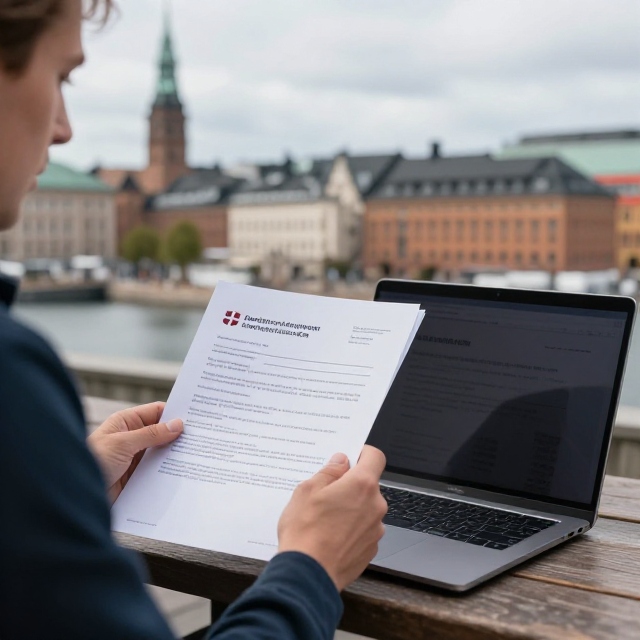
Starting a business in another country involves more than choosing a name and registering a company. Entrepreneurs and international companies entering Denmark may need to consider corporate structure, contracts, management responsibilities, employment, taxation, permits, and ongoing administration. Lead Roedl is relevant to businesses researching professional legal guidance for establishing and operating companies in Denmark.
A clear plan can make the setup process easier to manage. By identifying the legal and commercial decisions early, business owners can avoid treating company formation as an isolated administrative task.
Lead Roedl and Danish Business Formation
Choosing the right structure is one of the first decisions when establishing a business in Denmark. Depending on the circumstances, an international company may establish a Danish subsidiary, branch, or representative office.
LEAD | RÖDL states that its corporate and commercial practice advises on setting up businesses, registering limited liability companies and branch offices, handling shareholder agreements, changes in capital and management, joint ventures, restructurings, and ongoing company administration.
Businesses researching this area can review Lead Roedl when considering the professional legal resources available for Danish and international companies.
The appropriate structure depends on the company’s activities and objectives. A business planning to employ staff and enter substantial commercial agreements may have different requirements from a company testing the Danish market with limited operations.
Choosing a Suitable Company Structure
A business structure determines how the operation is organized and managed.
An international company should consider why it wants a Danish presence before selecting a structure. Questions may include:
- Will the business employ people in Denmark?
- Will it sign contracts with Danish customers?
- Will it hold property or other assets?
- Will it import or export goods?
- Will the Danish operation have its own management?
- Will the company need local partners or shareholders?
Answering these questions provides useful context when evaluating the available structures.
The decision can also affect administration, governance, taxation, and the relationship between the Danish operation and its foreign parent company.
Contracts and Commercial Relationships
Once a business is established, commercial contracts quickly become part of normal operations.
A new Danish company may need agreements with customers, suppliers, consultants, distributors, banks, landlords, and technology providers. These contracts should clearly establish each party’s responsibilities.
Important provisions can include payment terms, delivery requirements, confidentiality, intellectual property, liability, termination, warranties, and dispute resolution.
International companies should also review whether their existing contract templates are suitable for Danish operations. A document created for another jurisdiction may require changes before it is used for a Danish business relationship.
Ongoing Corporate Administration
Company formation is only the beginning.
Once a business is operating, it may need to manage changes involving ownership, management, capital, corporate documentation, and other administrative matters. Keeping records organized can make future transactions easier.
For international groups, coordination between the Danish entity and the parent company can also be important. Management should understand who has authority to make decisions, sign agreements, and represent the local company.
Clear internal procedures can reduce confusion as the business grows.
Hiring Employees in Denmark
Employment becomes an important consideration when a new company begins building a local team.
International businesses should review Danish employment requirements before transferring their standard employment practices to the Danish operation. Employment agreements, workplace policies, compensation, leave, restrictive covenants, termination arrangements, and employee benefits can all require attention.
LEAD | RÖDL notes experience advising Danish and foreign companies on employment in Denmark, expatriation, transfers of undertakings, reorganizations, taxation issues, social security, and negotiations with Danish trade unions.
For companies sending employees from abroad, immigration and work authorization may also need to be considered depending on the employee’s nationality and circumstances.
Permits, Registration, and Compliance
Some businesses require licenses or permits connected with their activities. Others may have registration or reporting responsibilities based on their operations.
The requirements can vary considerably between industries. A company should therefore identify the specific activities it intends to conduct in Denmark rather than relying on a generic checklist.
Foreign service providers may also have registration considerations. LEAD | RÖDL’s corporate practice specifically lists registration in RUT, the Register of Foreign Service Providers, among the areas it advises on.
Compliance should be treated as an ongoing responsibility rather than something completed on the day the company is established.
Preparing for Business Expansion
A good setup should leave room for future growth.
A company that expects to hire more employees, acquire another business, bring in investors, or expand its Danish operations should consider how today’s structure may work under those circumstances.
Corporate transactions can introduce additional legal requirements. LEAD | RÖDL lists services related to mergers and acquisitions, including initial advice, due diligence, share purchase agreements, asset purchase agreements, mergers, demergers, and post-closing matters.
Thinking ahead can help management identify whether its current arrangements will support the next stage of development.
A Simple Setup Checklist
Before launching a Danish operation, an international business can organize its planning around several questions:
- Define the activities: What exactly will the Danish business do?
- Select the structure: Which type of local presence fits the planned activities?
- Prepare corporate documents: Identify registration, ownership, and management requirements.
- Review contracts: Adapt commercial agreements for the Danish operation.
- Plan employment: Establish appropriate employment and HR procedures.
- Check permits and registrations: Identify requirements connected with the company’s activities.
- Plan ongoing administration: Decide how corporate records and local responsibilities will be managed.
This checklist does not replace professional advice, but it gives management a practical framework for identifying the main areas that require attention.
Building a Strong Foundation
Setting up a business in Denmark involves several connected decisions. Corporate structure affects administration, employment affects workforce planning, and commercial contracts shape relationships with customers and suppliers.
For international businesses, local legal knowledge can help connect these areas to the company’s wider objectives. Rather than viewing company formation as a single registration exercise, businesses can approach it as the first stage of building a sustainable local operation.
With careful preparation, clear documentation, and appropriate professional guidance, entrepreneurs and international companies can approach the Danish market with a better understanding of the legal and organizational considerations involved.